


Blood on the Badge: Extrajudicial Killings in Nigeria Must End Now
T
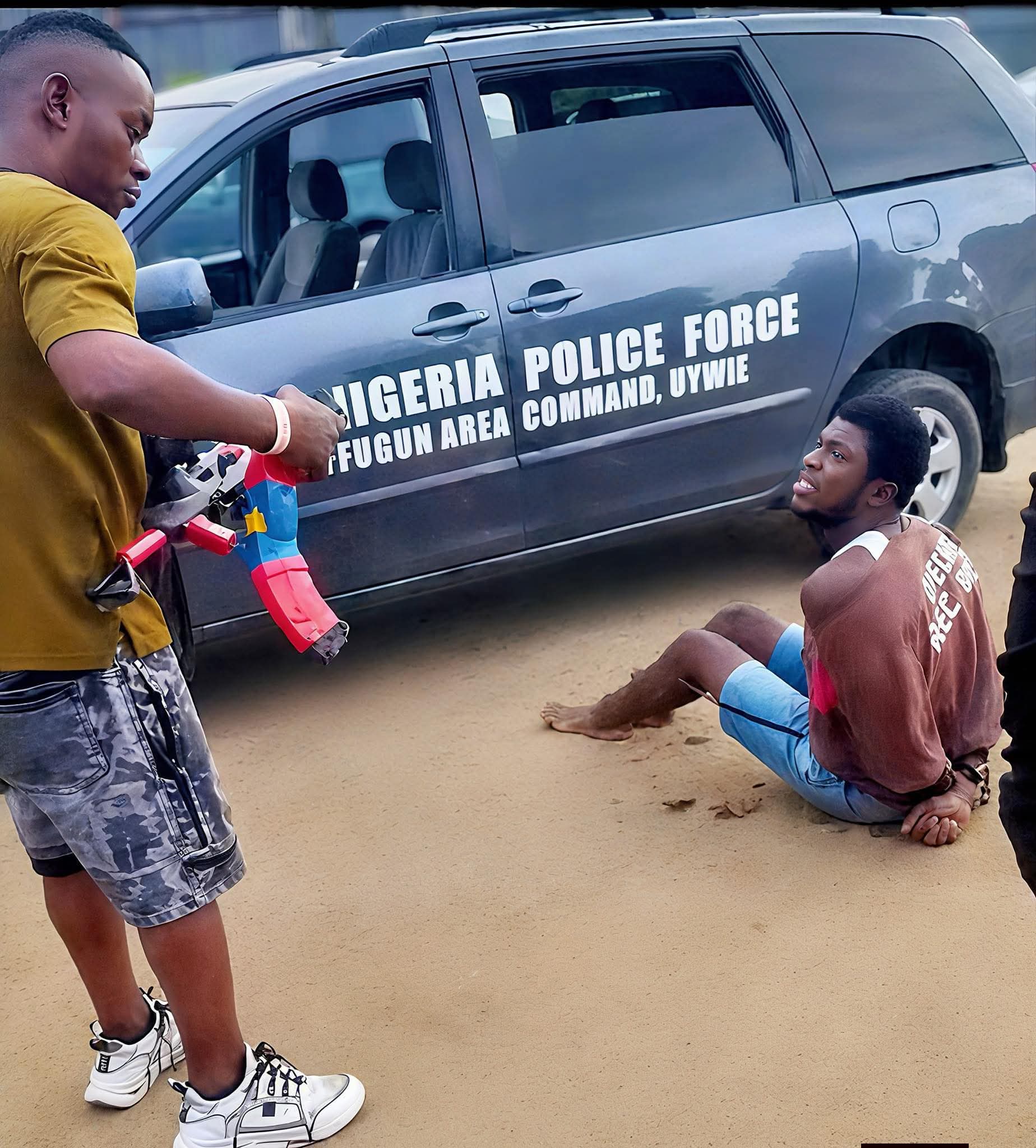
The reported extrajudicial killing of a suspect by a police officer in Effurun, Uvwie Local Government Area of Delta State, is not just another disturbing headline—it is a damning indictment of a system that continues to tolerate impunity. A man, already subdued, hands bound, and posing no threat, was allegedly executed in broad daylight before children and members of the community. His pleas to be heard were ignored. His life was extinguished without trial, without due process, without justice. This is not policing; it is lawlessness wearing a uniform.
What makes this incident even more troubling is its public nature. The act was reportedly captured and circulated, exposing the raw brutality of a system that has, for too long, failed to reform itself. At a time when the Nigerian Police Force is under increasing scrutiny, such conduct reinforces a dangerous perception—that those entrusted with enforcing the law can also violate it without consequence. This erosion of trust is not just unfortunate; it is catastrophic for a nation that depends on law enforcement for order and security.
This is not an isolated case. Nigerians still remember the widespread outrage against police brutality during the End SARS protests, a movement that exposed years of abuse, unlawful detentions, torture, and extrajudicial killings by rogue officers. More recently, concerns have also been raised following incidents involving the Nigerian Army, including admissions of wrongful killings under questionable circumstances. These recurring tragedies reveal a pattern—one that points to systemic failure rather than isolated misconduct.
Extrajudicial killing is not merely a violation of human rights; it is a direct threat to national security. When citizens begin to fear those sworn to protect them, the very foundation of governance is shaken. The rule of law becomes meaningless where due process is abandoned. If security agencies act as judge, jury, and executioner, then justice ceases to exist. A society where this becomes normalised is one that edges dangerously close to anarchy.
The response to this incident must be swift, transparent, and uncompromising. The authorities in Effurun and across Delta State must identify the officers involved, ensure their immediate arrest, and subject them to a thorough and independent investigation. If found culpable, they must be prosecuted for murder in accordance with the law. Anything short of this would signal complicity and further embolden impunity within the ranks.
Nigeria cannot continue on this path. Reform must go beyond rhetoric—it must involve proper training, strict accountability mechanisms, psychological evaluation of armed personnel, and a zero-tolerance policy for abuse of power. The badge must symbolise protection, not fear. Until justice is consistently served against those who abuse it, incidents like this will continue to stain our collective conscience. Enough is enough.