

Gateway to Prosperity — What Ogun Airport Inauguration Says About Tinubu’s Vision
B
By Akeem Alao
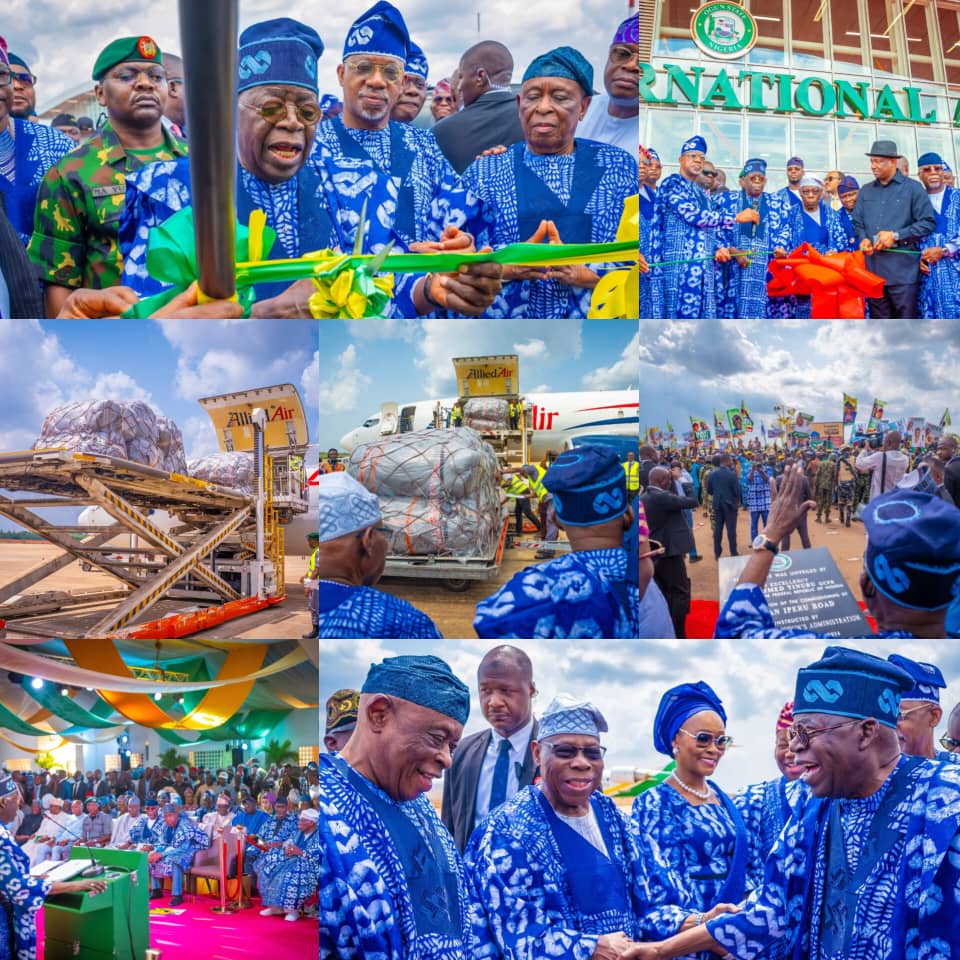
The inauguration of the Gateway Cargo International Airport in Ogun State is more than a ceremonial milestone—it is a defining moment that reflects the broader economic vision of Bola Ahmed Tinubu and the growing role of sub-national governments in driving Nigeria’s development.
Standing in Iperu, at the heart of this ambitious project, President Tinubu framed the moment with a clear message: infrastructure investment must ultimately serve the people. His declaration that “today’s foundation is for tomorrow’s prosperity” was not just rhetoric; it was a statement of intent tied directly to the significance of the airport itself.
The Gateway Airport, delivered under the leadership of Dapo Abiodun, represents a strategic attempt to position Ogun State as a logistics and industrial powerhouse. Its proximity to Lagos gives it a natural advantage, but more importantly, it signals a shift in how states are beginning to think beyond federal allocations—towards building independent economic engines.
Yet, the real story of the inauguration lies not just in the airport, but in what surrounded it. From the launch of electric bikes to the rollout of agricultural equipment and security assets, the event painted a picture of integrated development—one where transportation, energy, security, and agriculture are treated as interconnected pillars of growth. This aligns with Tinubu’s broader reform agenda, which seeks to empower states with more resources and responsibility.
Still, big projects come with bigger expectations. Airports, especially cargo-focused ones, must justify their existence through activity—through trade, investment, and job creation. Without sustained economic use, such infrastructure risks becoming underutilised. The Ogun airport must therefore evolve quickly from a symbol of ambition into a hub of real economic exchange.
Supporters of the administration point to ongoing reforms—fuel subsidy removal, foreign exchange unification, and fiscal restructuring—as necessary steps to create the kind of environment where projects like this can thrive. Leaders like Godswill Akpabio have echoed this sentiment, arguing that these policies are already strengthening the capacity of states to execute meaningful development.
But the public will judge differently. For many Nigerians, the success of reforms and infrastructure will not be measured in policy frameworks or commissioning ceremonies, but in daily realities: lower costs of living, better jobs, and improved quality of life.
The presence and endorsement of elder statesman Olusegun Obasanjo at the inauguration adds historical weight to the moment. His reflection on Ogun State’s evolution over decades is a reminder that development is a long game—one that demands consistency across administrations.
Ultimately, the Ogun airport inauguration offers a snapshot of where Nigeria is headed: a country betting on infrastructure as a catalyst for growth, and on states as active drivers of economic transformation. Whether this bet succeeds will depend on execution, transparency, and a relentless focus on outcomes.
Tinubu’s words have set the tone. Now, the real work begins—turning foundations into prosperity that Nigerians can see, feel, and trust.