

Middle East Crisis, Economic Pressure And COVID-Era Work Culture
B
By Akeem Alao
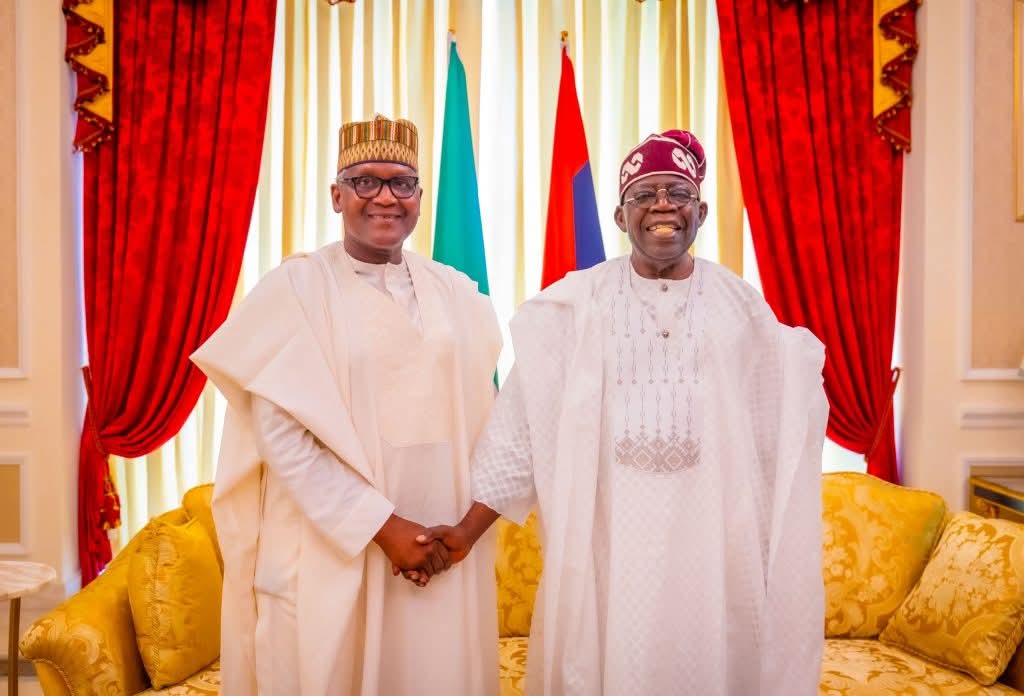
The warning by Aliko Dangote that Nigeria could be forced into a work-from-home reality again should not be dismissed as alarmist—it is a sobering reflection of how deeply global crises can disrupt fragile economies like ours. While many Nigerians may see the ongoing tensions in the Middle East as geographically distant, the ripple effects—particularly through oil price volatility—could hit closer to home than expected, potentially reshaping how we live and work.
Dangote’s concerns highlight a painful truth: Nigeria remains highly vulnerable to external shocks despite being an oil-producing nation. If the crisis escalates, rising fuel prices could make daily commuting and business operations unsustainable for millions. In such a scenario, reverting to remote work—much like during the COVID-19 pandemic—may no longer be a choice but an economic necessity. The idea of reduced workdays or full remote operations, already being considered in countries like Indonesia, could quickly become Nigeria’s reality.
Due to the increase in the price of fuel, Oyo State Governor, Seyi Makinde, has approved 10, 000 for all government workers to cushion the financial pressure of the moment.
“We will do like that time of COVID, where people will now go and work from home,” The Punch quoted Dangote.
However, unlike during COVID-19, when remote work was largely driven by health concerns, this time it would be forced by economic pressure. The implications are far-reaching. For white-collar workers, working from home might be manageable. But for millions of Nigerians in the informal sector—artisans, traders, transport workers—the concept of remote work is almost meaningless. As Dangote rightly pointed out, many Nigerians earn daily wages; if they don’t step out, they don’t eat.
The looming danger is not just about work patterns—it’s about survival. Small businesses that rely heavily on fuel-powered generators could be crippled by soaring energy costs. Barbers, bakers, and small-scale manufacturers may find it increasingly difficult to operate. In effect, a distant geopolitical crisis could deepen poverty levels and widen inequality in Nigeria, hitting hardest those already living on the margins.
“If this thing doesn’t de-escalate… people will really, really feel the pinch,” Dangote cautioned.
There is also a broader lesson here about economic resilience. Nigeria’s dependence on imported refined petroleum products continues to expose the country to global market shocks. Until structural issues in the energy sector are addressed—such as refining capacity and power supply—the nation will remain at the mercy of international crises it has no control over.
Ultimately, Dangote’s warning should serve as a wake-up call. The possibility of returning to a work-from-home era is not just about convenience or flexibility—it is about economic survival in a time of uncertainty. Policymakers must act proactively, not reactively, to cushion the impact of potential shocks. Otherwise, Nigeria may find itself reliving the disruptions of the COVID-19 era, but under even harsher economic conditions.