

Iran Appoints Mojtaba Khamenei as New Supreme Leader Amid Escalating War
I
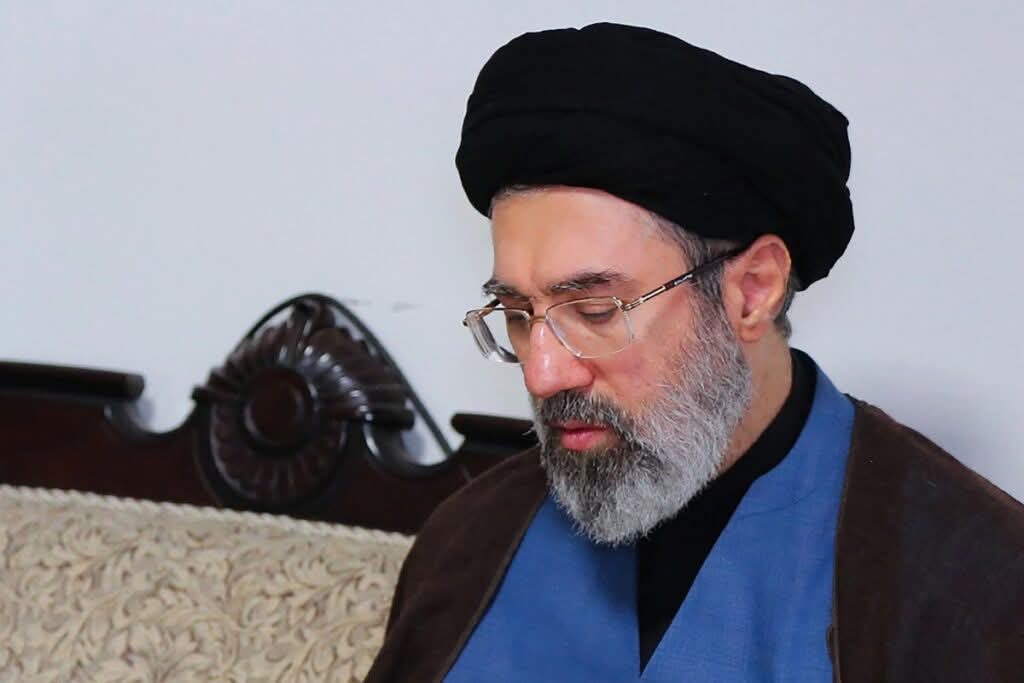
Iran’s ruling clerics have appointed Mojtaba Khamenei as the country’s new Supreme Leader, following the death of his father, Ali Khamenei, who was reportedly killed in a US-Israeli military strike on February 28, 2026.
The appointment was announced on Sunday by the Assembly of Experts, which convened nine days after the attack that plunged the Middle East into a widening conflict. In a statement, the body said Mojtaba Khamenei, 56, was chosen by a decisive vote and declared the “third leader of the sacred system of the Islamic Republic of Iran.”
The clerical body said it acted swiftly despite what it described as “the brutal aggression of criminal America and the evil Zionist regime,” signalling defiance toward the United States and Israel.
However, Donald Trump had earlier dismissed the younger Khamenei as a “lightweight” and suggested Washington should influence the selection of Iran’s new leader. “If he doesn’t get approval from us, he’s not going to last long,” Trump told ABC News before the announcement.
Iran’s Foreign Minister, Abbas Araghchi, rejected the suggestion, insisting that the leadership decision was solely Iran’s internal matter. Speaking on NBC’s “Meet the Press,” he also demanded that Trump apologise to the region for what he described as starting the war.
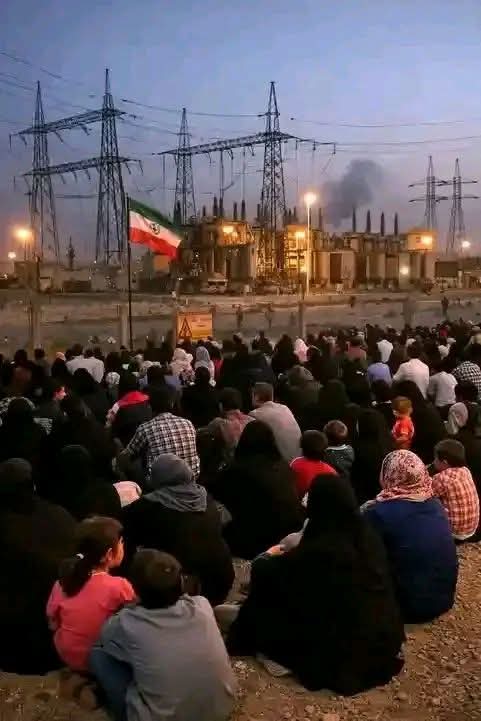
Meanwhile, fighting between Iran and Israel intensified as Israeli strikes hit several oil facilities in Tehran, killing at least four people and disrupting fuel distribution in the capital. Thick smoke reportedly covered the city, with authorities warning residents to stay indoors due to toxic fumes.
Iran’s Islamic Revolutionary Guard Corps said it had enough supplies to sustain missile and drone operations for up to six months and warned it could soon deploy more advanced long-range missiles.
The conflict has already spread across the region, with attacks reported in Saudi Arabia, Kuwait and Bahrain. Iran’s health ministry said at least 1,200 civilians had been killed and about 10,000 wounded since the fighting began, though the figures have not been independently verified.
Analysts say there is still no clear path to ending the conflict, while global leaders, including Pope Leo XIV, have called for the violence to stop and urged all sides to open space for dialogue.