


FG Approves N32.8bn to Strengthen Primary Healthcare, Expand Access Nationwide
T
The Federal Government has approved the sum of N32.8 billion under the Basic Healthcare Provision Fund (BHCPF) for the first quarter of 2026, in a renewed push to strengthen primary healthcare services and expand access to essential care across Nigeria.
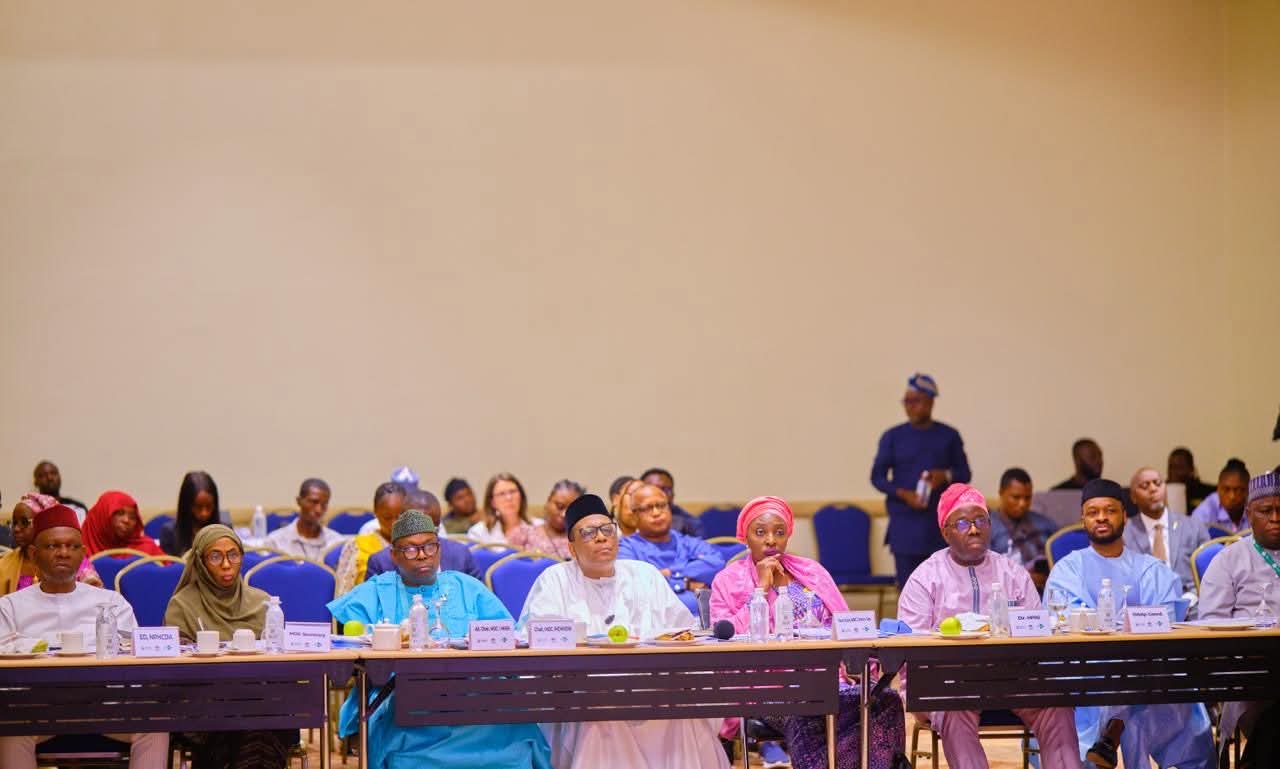
The approval was granted during the Q1 2026 meeting of the Ministerial Oversight Committee (MOC), where stakeholders advanced reforms under the BHCPF 2.0 framework to enhance financing efficiency, coordination, and measurable outcomes at the grassroots level.
The BHCPF remains a critical funding mechanism designed to reduce out-of-pocket healthcare expenses, ensure predictable financing, and improve the quality of care, particularly for vulnerable populations.
At the meeting, key health agencies—including the National Health Insurance Authority, National Primary Health Care Development Agency, and Nigeria Centre for Disease Control—presented updates on implementation progress. Contributions were also received from the Association of Local Governments of Nigeria and civil society groups, offering field-level insights on service delivery and financial protection.
Discussions focused on accelerating the rollout of BHCPF 2.0 under the Sector-Wide Approach (SWAp), aligning financing, service delivery, and accountability with the Nigeria Health Sector Renewal Investment Initiative (NHSRII).
Priority programmes reviewed included the MAMII initiative aimed at reducing maternal and newborn mortality, the HOPE PHC programme to improve service readiness and workforce capacity, and the National Health Fellows Programme (NHF), which seeks to strengthen leadership and accountability in the health sector.
The Committee also evaluated the performance of the National Emergency Medical Services and Ambulance System (NEMSAS), alongside broader maternal and child health indicators, with a view to improving emergency response and life-saving interventions nationwide.
Speaking at the meeting, the Coordinating Minister of Health and Social Welfare, Muhammad Ali Pate, emphasised the government’s commitment to linking healthcare financing with measurable outcomes at the primary care level. The Minister of State for Health, Iziaq Adekunle Salako, highlighted expected gains in safer deliveries and improved emergency response services, while the Permanent Secretary, Daju Kachollom, stressed the importance of coordination and accountability.
Resolutions adopted at the meeting include structured engagement with the private sector, revision of emergency transport tariffs, faster programme review cycles, and strengthened quality assurance in emergency medical services.
The Federal Ministry of Health urged state governments, development partners, and private stakeholders to align with BHCPF 2.0 priorities, while encouraging Nigerians to take advantage of the expanding primary healthcare services across the country.
“We are aligning healthcare financing with measurable outcomes at the primary care level to ensure improved service delivery and better health outcomes for Nigerians,” — Muhammad Ali Pate.