


ECOWAS and Europe Are Laying The Foundation For Africa’s Education Future
B
By: Akeem Alao
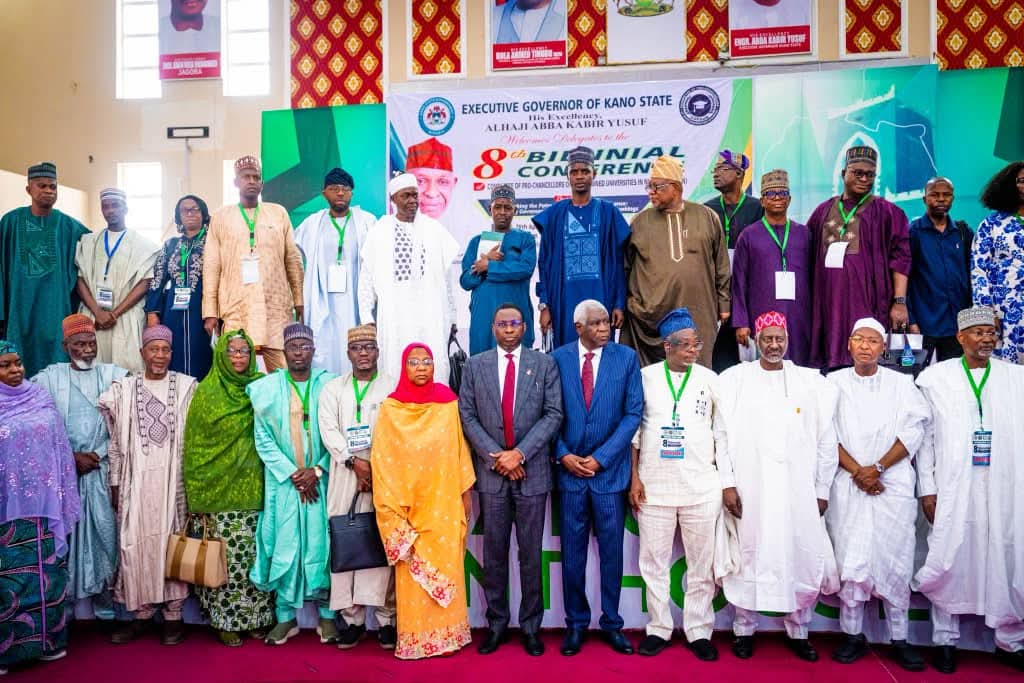
When history is written about Africa’s long and often difficult journey toward educational transformation, the week of September 8–9, 2025, may very well stand out. In Abuja, the ECOWAS Commission, working hand-in-hand with the European Union, Expertise France, and other partners, convened a two-day meeting under the Africa-Europe Partnership to Exchange on Education Reforms (PEERs) programme.
At first glance, it might seem like just another gathering of policymakers. But this was different. This was about planting the seeds of a future where every African child has access to education that is not only equitable and inclusive, but also gender-responsive, environmentally conscious, and digitally forward-looking. In a continent where education systems are often fragmented, underfunded, or outdated, this initiative signals hope.
The emphasis on both basic education and higher learning is especially commendable. By prioritising foundational learning while simultaneously advancing projects like the ECOWAS Nnamdi Azikiwe Academic Mobility Scheme (ENAAMS), Technical and Vocational Education and Training (TVET), and the harmonisation of education systems, leaders are acknowledging a truth long ignored: Africa cannot leap into the future on weak educational structures.
Equally important is the principle of joint ownership. ECOWAS is not a passive recipient of ideas; it is the regional coordinator. Expertise France is providing analysis, yes, but the vision and direction belong to Africa. This shift away from dependency toward partnership is the most transformative lesson of all.
Of course, the road ahead is long. Challenges of financing, political will, and local implementation remain. But the Abuja meeting shows that ECOWAS and its partners are serious about building an education system that is resilient, modern, and capable of empowering Africa’s next generation.
If followed through, the PEERs programme could become a model for how Africa and Europe can collaborate—not through charity or lectures, but through mutual respect, shared responsibility, and bold vision. For once, we are not just talking about education reform. We are beginning to shape it.
The children of Africa deserve nothing less.