

A Net Cast Beyond Fish: Why the Argungu Festival Still Matters
T
This weekend, Northern Nigeria did not trend for insecurity, politics, or crisis. Instead, it trended for culture, competition, and community as the 61st edition of the Argungu International Fishing Festival came to a colourful close in Kebbi State.
And that alone is worth reflecting on.
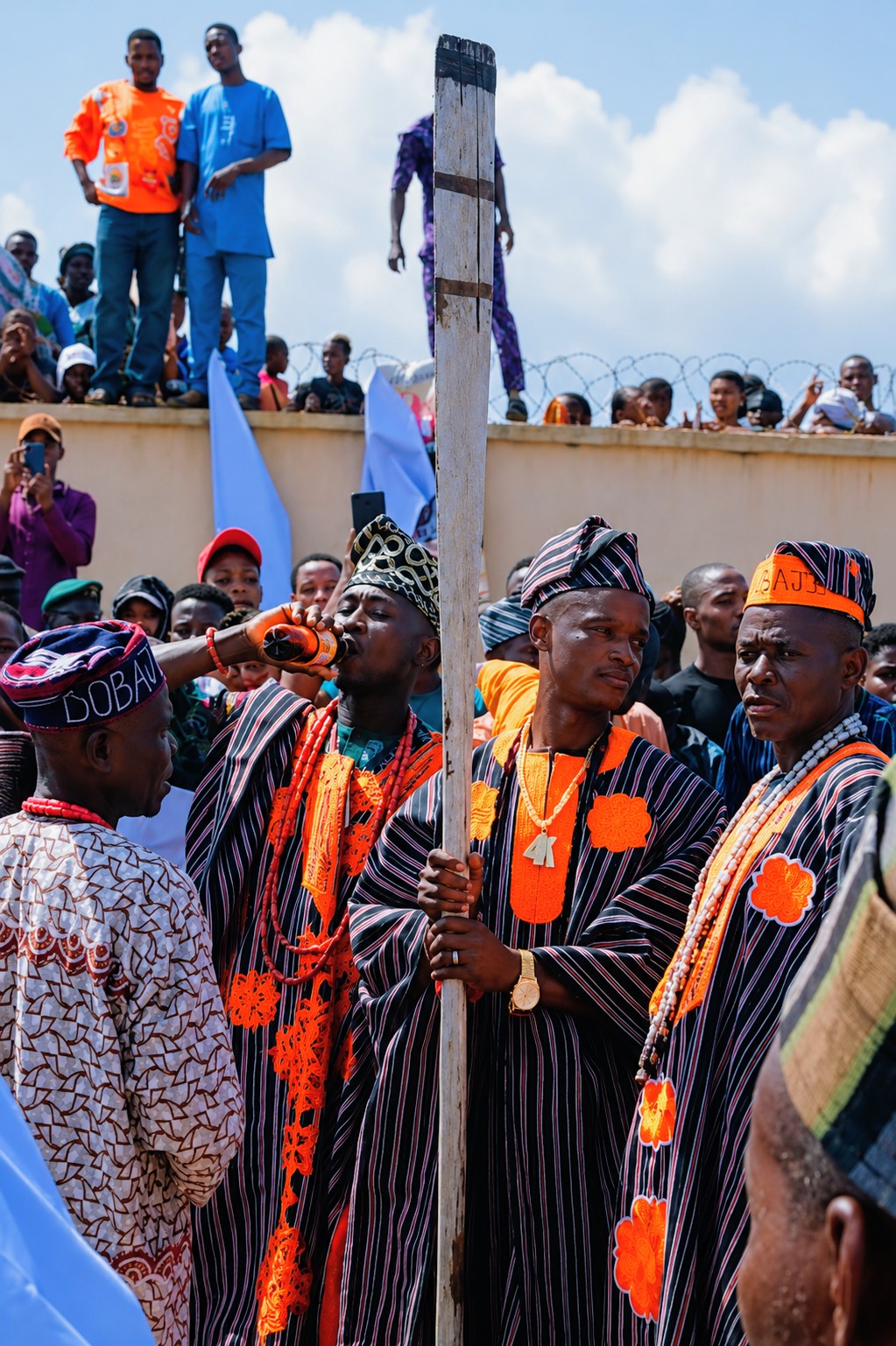
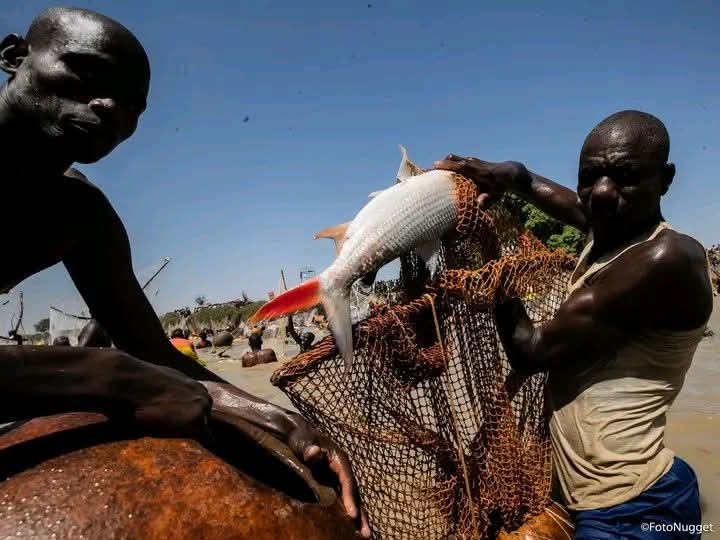
For decades, the festival has remained one of Nigeria’s most symbolic cultural gatherings. The grand finale at the Matan Fada River once again delivered its signature spectacle: thousands of fishermen plunging into the water at the blast of a gun, armed with nothing but traditional nets and determination. It is chaotic. It is dramatic. It is uniquely ours.
This year’s champion, Abubakar Usman from Maiyama LGA, secured victory with an astonishing 59kg catch — walking away with two brand-new Toyota cars, ?1 million, and bags of rice. The prizes were generous, the competition fierce, and the excitement unmistakable. But beyond the rewards lies something deeper: prestige, pride, and identity.
The festival roots stretch back to 1934, born as a peace accord between the Sokoto Caliphate and the Kebbi Kingdom. That origin story is powerful. Long before hashtags and headlines, Argungu represented diplomacy, unity, and coexistence. Today, it carries global recognition as a UNESCO Intangible Cultural Heritage of Humanity — a reminder that local traditions can command international respect.
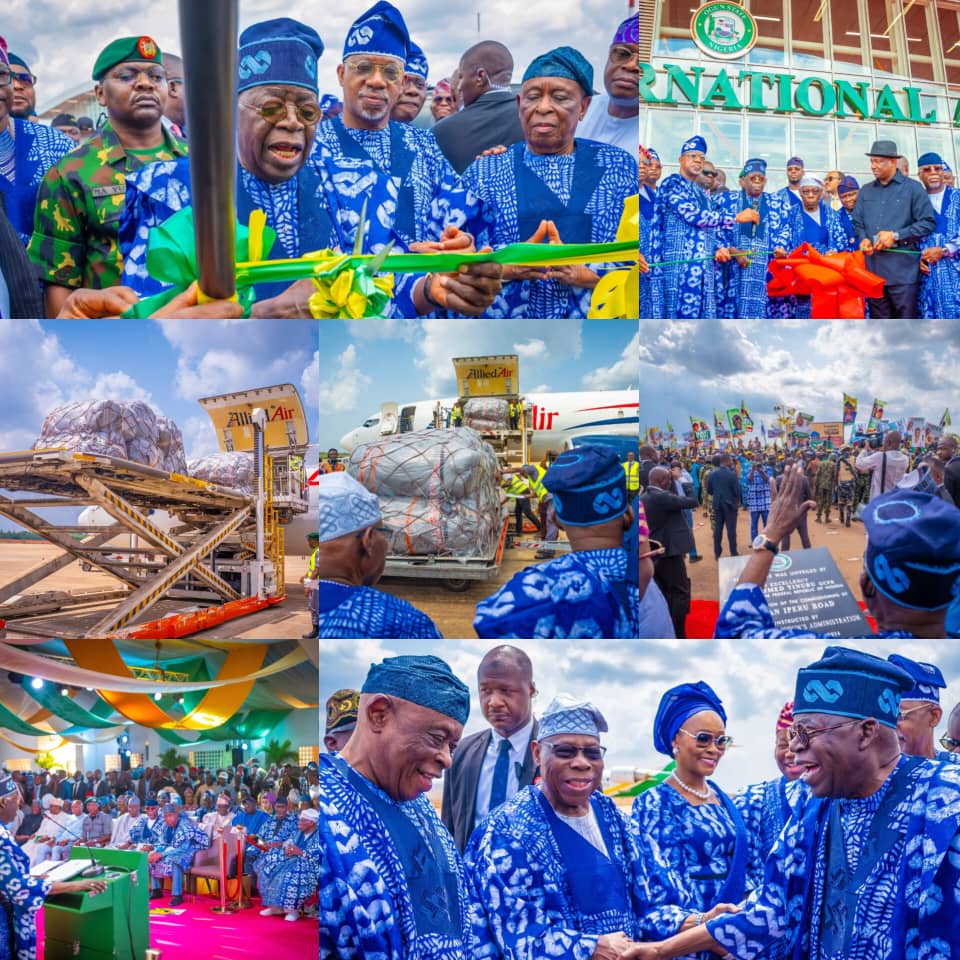
The presence of Bola Tinubu at the grand finale added political weight to the celebration. His declaration that the successful hosting of the festival signals returning peace and stability in the region is both symbolic and strategic. Festivals of this scale — drawing over 50,000 participants — do not thrive in chaos. They require coordination, security, and confidence.
Speaking at the grand finale of the event, President Bola Tinubu, described the event as a remarkable history and a festival that remained a powerful symbol of unity, resilience and peaceful coexistence amongst Nigerians.
“It reflects the richness of our culture, the strength of our tradition and the opportunities that lie in harnessing our natural resources for national development.
“Let me once again commend the government and the people of Kebbi for successfully hosting this year’s festival, the organisation, security arrangements and internal outlook of the event demonstrate what is possible when leadership is purposeful and inclusive.
“Thank you, Mr Governor, you are a team leader and you are demonstrating it. A socio-cultural event like this can only thrive and become a tourist attraction when the security atmosphere is conducive.
“I am pleased to note that significant progress has been made in combating insecurity across Kebbi and other parts of our nation.
“We are still working hard through coordinated efforts between the Federal Government, state government, and security agencies,” he said.
Yet, while political narratives may orbit around it, Argungu transcends politics. Wrestling bouts, Dambe boxing, canoe racing, wild duck hunting, swimming relays, the grand Durbar, traditional music, and vibrant exhibitions of local crafts all tell a story bigger than governance. They tell the story of Northern Nigeria’s resilience and cultural wealth.
In a time when negative headlines often dominate conversations about the region, Argungu serves as a cultural counterbalance. It reminds us that Northern Nigeria is not defined solely by its challenges but also by its heritage, talent, and communal spirit.
Perhaps the real catch of the festival is not the 59kg fish. It is the enduring ability of a nearly century-old tradition to unite people, attract global recognition, and shift the national narrative — even if just for a weekend.
Interesting, isn’t it?